


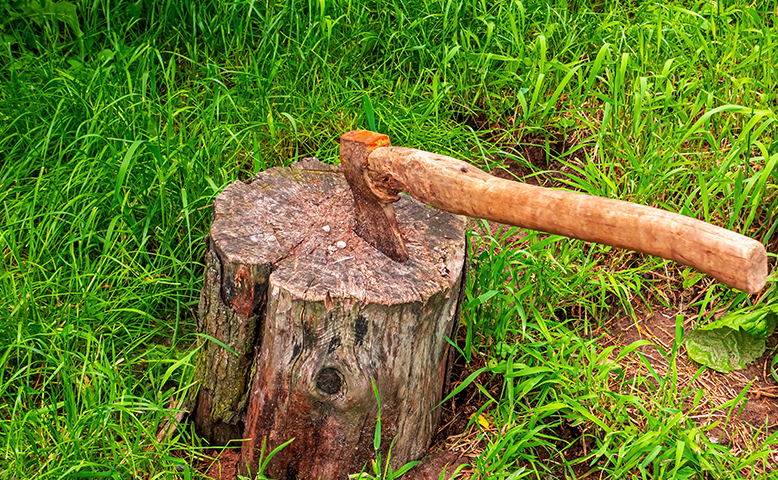
You step into your backyard, ready for a fun barbecue or a game with the kids. But that old tree stump sticks out like a sore thumb. It trips you up, attracts bugs, and ruins your lawn’s look. I get it – dealing with a stump feels like a hassle. But removing it can transform your yard into a safe, beautiful space. You’ll gain room for new plants, avoid pests, and boost your home’s curb appeal. Plus, it prevents accidents for your family and pets.
As someone who’s tackled many yards over the years, I know tree stump removal brings real peace of mind. This blog walks you through simple steps. We’ll cover methods that fit your budget and skill level. By the end, you’ll feel confident to reclaim your yard.
Let’s dive in and make your outdoor space shine again. Remember, safety comes first – wear gloves and eye protection. Now, let’s get started on this rewarding project together.
Why Bother with Tree Stump Removal?
First off, you might wonder if it’s worth the effort. Well, yes! A stump in your yard invites trouble. It can attract termites and ants that damage your home. Studies from the USDA Forest Service note that decaying stumps become pest hotspots within months. Moreover, they make mowing a nightmare and reduce property value by up to 5%, per real estate experts.
But here’s the good part: Removing it frees up space for a garden or play area. You’ll enjoy a smoother lawn and fewer worries. For instance, my neighbor removed his stump and planted flowers – his yard looks amazing now. So, assess the benefits for your family. It enhances safety and aesthetics right away.
Additionally, untreated stumps regrow sprouts, leading to more work later. Therefore, act now to save time. Research backs this: Prompt tree stump removal prevents root spread that harms foundations. In short, you’ll gain a healthier, happier yard. Let’s move on to checking your stump next.
Assess Your Stump Before Starting
Before you grab tools, take a close look. Measure the stump’s size – diameter and height matter. Small ones under 12 inches are easier for DIY. Larger ones might need help. Also, check for roots spreading out. They could tangle with utilities underground.
Why does this help you? It saves money and avoids mistakes. For example, call 811 to mark lines – it’s free and prevents accidents. The National Safety Council reports thousands of digging injuries yearly from ignored lines.
Furthermore, note the wood type. Hardwoods like oak rot more slowly than softwoods. This info guides your method choice. So, snap photos for reference. You’ll feel prepared and in control.
In addition, consider your yard’s slope or nearby structures. These factors influence safety. Therefore, plan accordingly. By assessing first, you ensure a smooth process. Now, let’s explore manual ways to remove it.
Manual Removal: Dig It Out Yourself
You can remove small stumps by hand. Start with a shovel and an axe. Dig around the base to expose roots. Cut them with the axe. Then, rock the stump to loosen it. Pull it out with a chain or lever.
- Tools needed: Shovel, axe, mattock for tough roots.
- Steps in order: Dig trench, sever roots, pry free.
- Tips for success: Wet the soil first for easier digging.
This method builds your muscles and costs little. However, it takes time – maybe a weekend. But you’ll beam with pride afterward.
As one gardener said, “Digging out my stump felt empowering – no machines needed!” So, if you’re fit, give it a try. Otherwise, consider other options next.
Chemical Methods for Easy Decay
Chemicals speed up rotting. Apply stump remover like potassium nitrate. Drill holes in the top first. Pour in the powder and add water. Cover with a tarp. Wait 4-6 weeks for softening.
This approach suits busy folks. It requires minimal effort. Research from Purdue University shows chemicals break down wood safely when used correctly. You’ll avoid heavy lifting and get results.
But wear gloves – safety first. Also, keep pets away. Therefore, monitor progress weekly.
“I used chemicals on my oak stump, and it crumbled easily,” shared a homeowner online.
In turn, you’ll have soft wood to chop out. This saves your back. Next, learn about burning.
Burning the Stump Safely
Fire can remove stumps effectively. Check local laws first – some areas ban burning. If okay, drill holes and fill with kerosene. Let it soak for days. Then, light it carefully.
Why choose this? It’s quick for dry stumps. The International Society of Arboriculture notes that controlled burns eliminate roots, too. You’ll clear space fast.
However, watch the fire closely. Have water ready. So, never leave it unattended.
- Safety gear: Fire extinguisher, hose.
- Best time: Windless day.
- Aftercare: Douse embers fully.
This method feels dramatic but works. Transition to machinery if fire isn’t for you.
Using Machinery for Tough Stumps
Rent a stump grinder for big jobs. It chews wood into chips. Position it over the stump and grind down. Go 6-12 inches below ground.
This gives pro results at home. You’ll finish in hours, per equipment reviews. Plus, mulch from chips enriches soil. But learn controls first. Wear ear protection. Therefore, practice on scrap wood.
| Method Aspect | Pros | Cons |
| Cost | – Affordable rental – No pro fees | – Fuel expense |
| Time | – Quick grind – Immediate results | – Setup time |
| Effort | – Machine does work – Less sweat | – Learning curve |
See how it stacks up? Now, think about the pros.
When to Hire Professionals
Sometimes, DIY isn’t the best. Pros handle large or tricky stumps. They use advanced tools safely. You’ll avoid injuries – the CDC reports 200,000 yard work accidents yearly.
Hiring ensures thorough removal. Roots won’t regrow. So, your yard stays clean long-term.
- Research companies: Check reviews.
- Get quotes: Compare prices.
- Ask questions: About methods and cleanup.
This investment pays off in time saved. Moreover, pros often warranty work.
After Removal: Care for Your Yard
Once removed, fill the hole with soil. Plant grass seed or sod. Water well for weeks. This restores your lawn quickly. Why care now? It prevents erosion and weeds. Extension services advise adding compost for nutrients. You’ll enjoy a lush yard soon.
Additionally, monitor for pests. Treat if needed. Therefore, your space thrives.
“After stump removal, my yard became a haven,” a reader noted.
In conclusion, tree stump removal boosts your home’s joy. If you need expert help, contact B&L Management LLC for reliable tree stump removal services. They make it easy.