
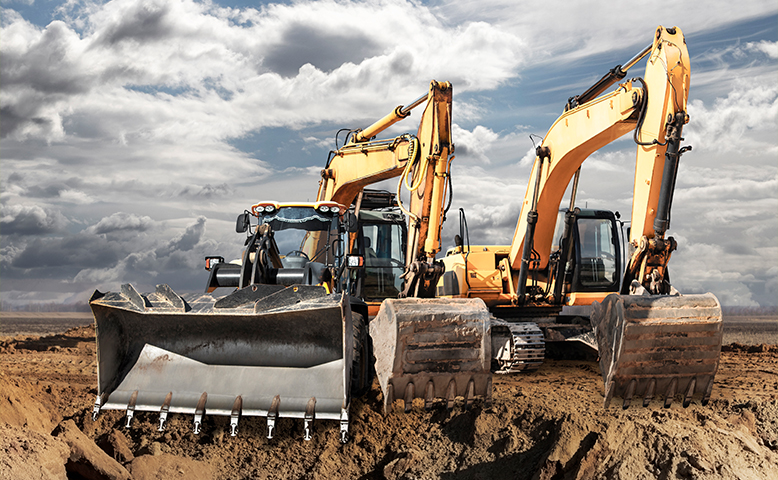
If you’ve ever watched a jobsite, you’ve seen excavation in action. It looks simple at first. A machine digs. Dirt moves. The ground changes. Yet the method matters a lot. The right technique can help prevent cave-ins, protect nearby structures, and save time. It can also keep water from pooling where you don’t want it.
So what’s in it for you? When you understand excavation techniques, you can ask smarter questions. You can spot red flags early. You can also plan better for cost, schedule, and safety. Plus, you’ll know why one job needs a small trench, and another needs a deep, wide cut. In this guide, you’ll learn eight common techniques and when each one fits best.
Topsoil Stripping (Surface Excavation)
Topsoil stripping removes the loose, organic layer on top. This layer often contains roots and decaying plants. Because of that, it can shift and compress later. So, crews strip it before building pads, roads, and driveways. Also, stripping helps you start with a cleaner base. It reduces surprise settling. It can also help control weeds later.
Here’s what usually happens:
First, crews mark the work area and depth.
Next, the equipment peels off the topsoil in thin passes.
Then, they stockpile it for later reuse.
This technique benefits you in two ways. First, it protects your foundation from soft ground. Second, it saves good soil for final grading. Many sites reuse stripped topsoil for lawns and planting beds. That reuse can reduce the amount of imported soil you need.
Trench Excavation (Utilities and Drains)
Trench excavation creates long, narrow cuts in the ground. People use it for water lines, sewer pipes, electric conduit, and drainage runs. Because trenches can collapse, safety planning matters.
“A trench looks harmless, but the walls can fail fast.”
Also, trench depth and soil type change the risk. Clay behaves differently from sand. Wet soil adds more danger, too.
Common uses
Water service lines
French drains and downspout lines
Electrical and data conduits
Key tips
Use proper slope, benching, or shoring.
Keep heavy equipment away from edges.
Place spoil piles back from the trench lip.
So, what’s in it for you? A well-dug trench protects pipes from damage. It also helps water flow the way it should. And it lowers the chance of future sinkholes over the trench path.
Basement Excavation (Deep Footprint Dig)
Basement excavation removes soil for a full or partial basement. This job often goes deeper than other residential digging. Because the hole is wide and deep, crews must plan access and stability.
Also, nearby soil can slump as you dig. So, crews may cut the sides back at a safe angle. In tight spaces, they may use support systems.
Basement digs often include:
Over-digging space for forms and waterproofing
A level base for footings
A plan for dewatering if groundwater shows up
This technique matters for comfort and value. A stable basement starts with stable soil. It also helps prevent cracks and water leaks later. In addition, good spoil management keeps the site cleaner. That can reduce tracking mud onto streets and driveways.
Cut and Fill Excavation (Leveling a Site)
Cut and fill excavation reshapes land by removing soil in high areas (cut) and placing it in low areas (fill). This method helps create level building pads and smooth road grades.
Also, it can reduce hauling costs. That’s because you reuse soil on-site instead of trucking it away. However, fill must be placed and compacted correctly.
Here’s the basic flow:
First, crews survey the target grade.
Next, they cut high spots to the planned elevations.
Then, they place fill in layers and compact it.
So, what’s in it for you? You get a flatter, safer area for building. You also reduce drainage problems caused by uneven ground. When done right, cut and fill improves long-term stability. It can also help prevent water from rushing toward your foundation during storms.
Rock Excavation (Hard Material Removal)
Rock excavation handles material that standard buckets cannot easily break. Sometimes it’s solid rock. Other times it’s dense ledge or large boulders. This work can take more time and special tools.
“Rock doesn’t negotiate. You need the right method.”
Common approaches include:
Hydraulic breakers on excavators
Rippers on dozers for softer rock
Controlled splitting methods for larger rocks
Also, rock work often needs vibration control. That matters near homes, slabs, and buried utilities. Crews must locate lines before breaking rock. They must also manage flying debris.
What’s in it for you? Knowing you have rock early helps you plan. It can affect the schedule and budget. It also changes equipment needs. When crews match the tool to the rock type, they reduce overbreak and cleanup.
Dredging (Underwater Excavation)
Dredging is excavation below the waterline. People use it to deepen ponds, clear silted channels, and improve drainage flow. It can also restore water storage capacity over time.
Also, dredging can help reduce flooding risks. Silt and muck can block water movement. When you remove it, water can spread and drain more evenly.
Dredging often involves:
Removing sediment with specialized pumps or buckets
Dewatering and drying material on land
Disposing of or reusing dredged soil is allowed
This technique brings clear benefits. A deeper pond can hold more stormwater. A clear ditch can move water away faster. However, dredging can also disturb habitats. So, crews often plan timing and containment to limit the mess. That planning protects water quality and nearby property.
Borrow Excavation (Getting Fill Material)
Borrow excavation means digging soil from one area to use as fill somewhere else. The borrow site can be on the same property or off-site. People use it when the main site lacks enough good fill.
Also, not all soil works as structural fill. Some soils shrink, swell, or hold too much water. So, crews choose to borrow material that compacts well.
Typical borrowed materials include:
Sandy clay blends that compact tightly
Granular soils for drainage layers
Select fill for building pads
What’s in it for you? Good borrowing material helps prevent settling. It also supports slabs, driveways, and pads better. In addition, it can improve drainage. When the fill stays stable, your finished grade stays stable too. That means fewer low spots and fewer puddles later.
Muck Excavation (Wet and Unstable Soil)
Muck excavation removes wet, soft soils like peat, muck, or saturated clay. These soils can’t support loads well. They can also pump water up when you compact them. So, crews often remove them and replace them with stable material.
Also, much work often needs dewatering. Pumps, ditches, and temporary drainage can keep the area workable.
Here are signs you may have muck:
The equipment sinks more than expected
Water seeps into the cut quickly
Soil feels spongy and dark
So, what’s in it for you? Removing muck protects your project from failure. It helps keep driveways from rutting. It also helps pads and footings stay firm. While it can add steps, it often saves you from big repairs later.
Picking the Right Technique
| Goal | Best-fit techniques | What you gain |
| Build on solid ground | • Topsoil stripping • Cut and fill • Muck removal | • Less settling • Better compaction • Cleaner base |
| Install lines and drainage | • Trench excavation • Cut and fill • Dredging | • Safer pipe runs • Smoother flow • Fewer washouts |
| Handle tough conditions | • Rock excavation • Borrow excavation • Basement excavation | • Correct tools • Strong support • Fewer surprises |
Conclusion
The best excavation technique depends on soil, water, depth, and your end goal. Still, one idea stays the same. Plan first, then dig. Also, watch drainage and compaction at every step. Those two items shape the final result more than most people expect.
If you’re planning excavation work in or near Byhalia, MS and Surrounding Areas B&L Management LLC brings local experience to excavation projects that need safe cuts, clean grades, and reliable ground prep.